

Quick and Easy Solution to Improve the Lyophilization Process
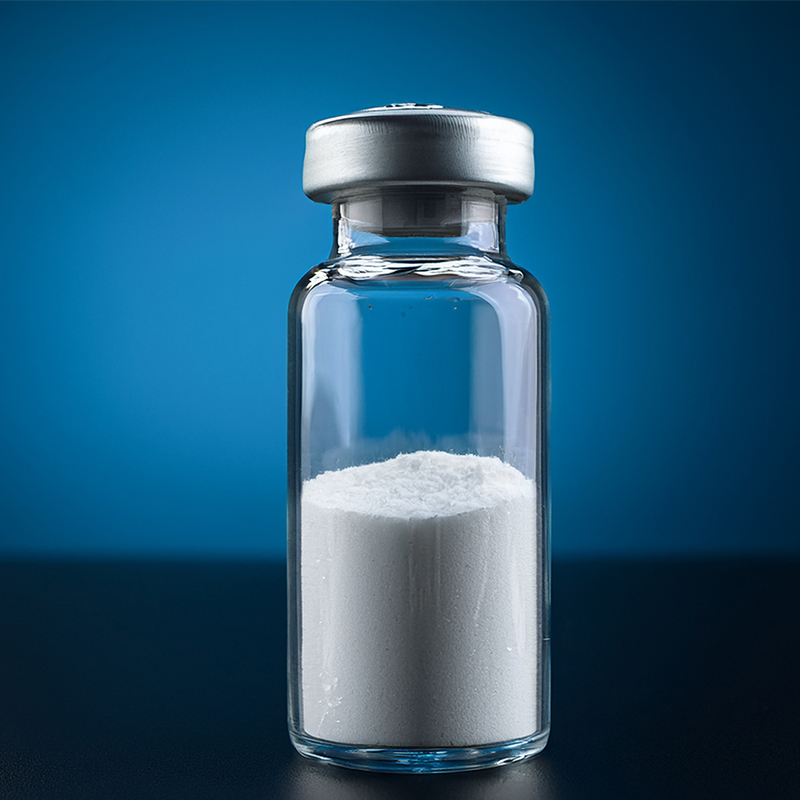
Many existing parenteral drug products are lyophilized to ensure stable storage throughout their shelf life. This protects the effectiveness of the medicine and supports patient safety from manufacture to administration. The need for reliable freeze-drying continues to grow as new parenteral formulations, including complex biologics, require carefully controlled conditions to maintain their stability.
To meet the growing demand for primary containers that enable optimized lyophilization, NIPRO offers dedicated lyophilization vials. These vials are engineered to contribute to consistent freeze-drying performance, reliable product quality, and improved process efficiency. They provide a trusted solution for pharmaceutical companies developing next-generation sensitive parenteral drugs.
- Significantly reduced vial fogging during lyophilization
(70-90% overall and 85% reduction in critical fogging) - Enhances operational OEE
by minimizing cosmetic defects and reducing reject rates - Optimized bottom geometry
supports consistent and efficient heat transfer throughout the freeze-drying process - Easier to implement than alternative fogging mitigation strategies,
with no changes required to existing processes or materials - NIPRO glass tubing is inherently well-suited for lyophilization,
offering excellent thermal properties and dimensional consistency
Specifications
Significant Reduction of Lyophilization Fogging
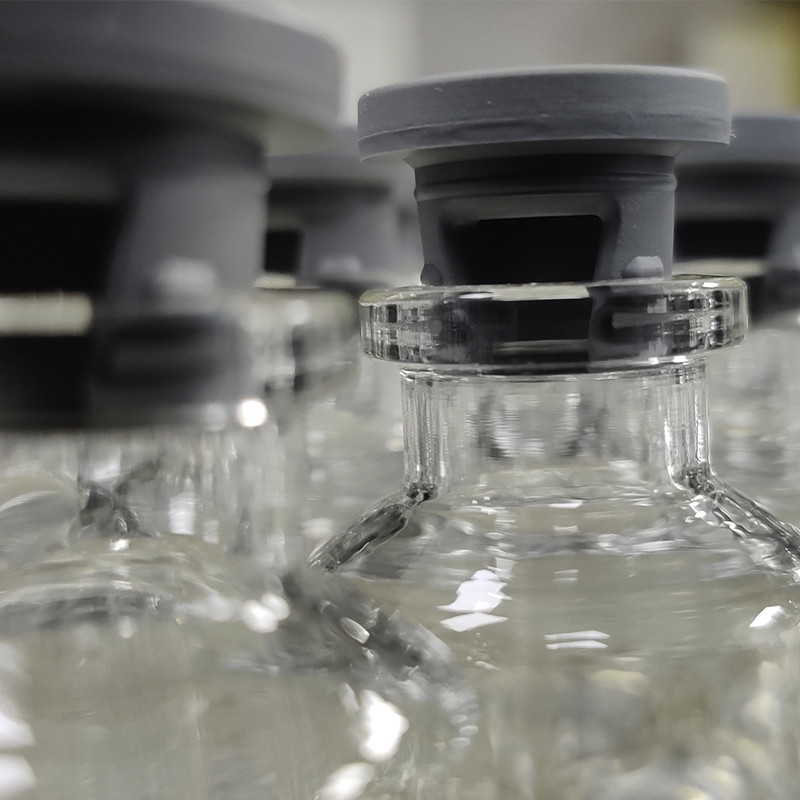
NIPRO lyophilization vials undergo proprietary thermal treatment without any coating or added materials, rendering the inner surface hydrophobic, while fully preserving the original Type I glass composition. This treatment limits the formation of a water film on the vial’s inner surface during lyophilization, which greatly reduces fogging.
Compared with standard vials used in the pharmaceutical industry, NIPRO lyophilization vials reduced overall fogging events by 70-90 percent and critical fogging by 85 percent.1 As a result, fewer vials exhibit fogging, decreasing the number of rejections during camera inspection and supporting improved overall equipment effectiveness.
Optimized Bottom Geometry for Consistent Heat Transfer
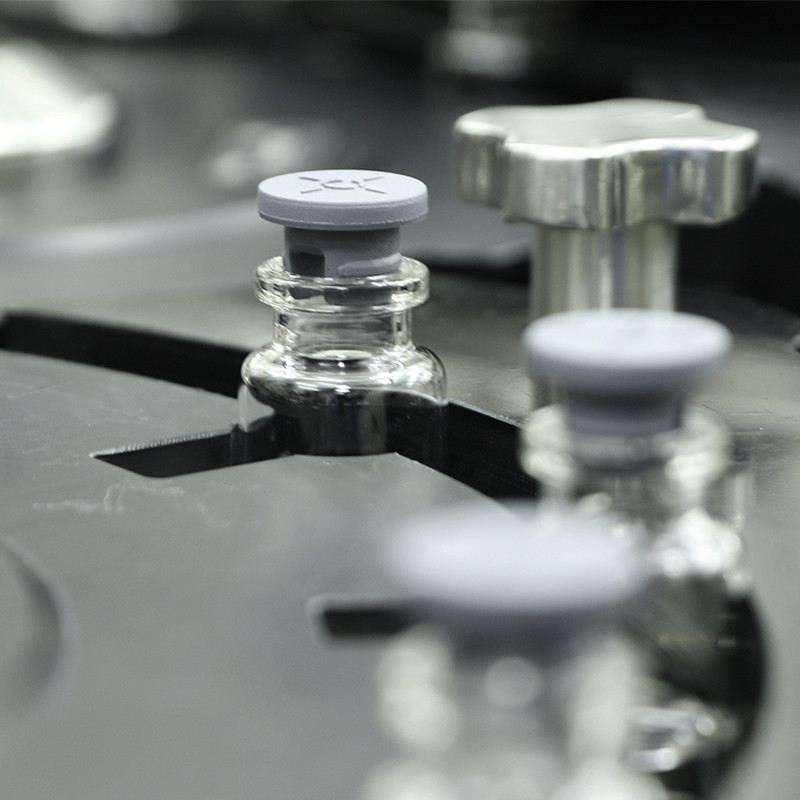
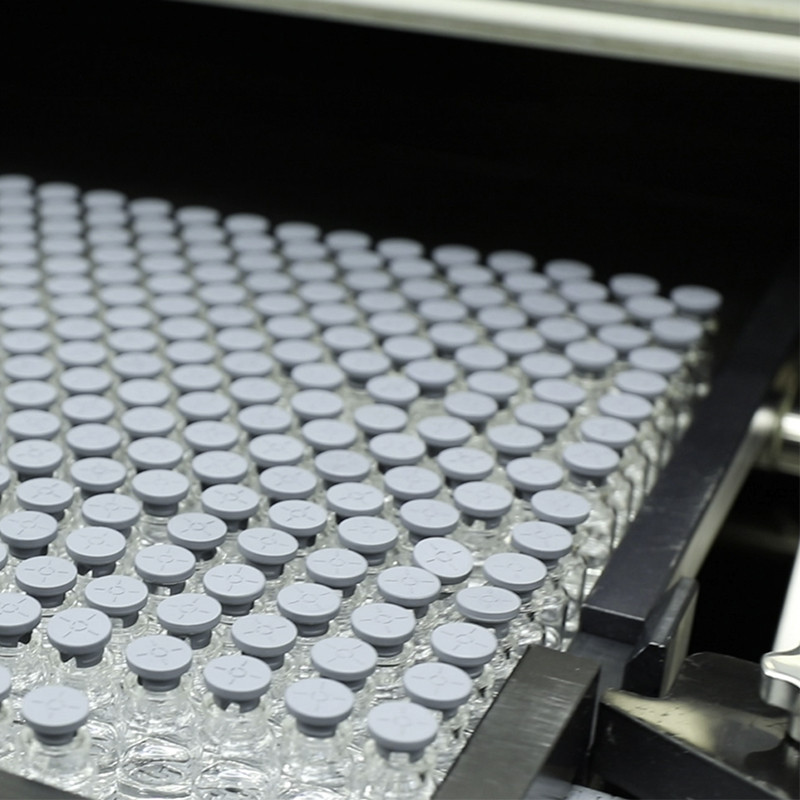
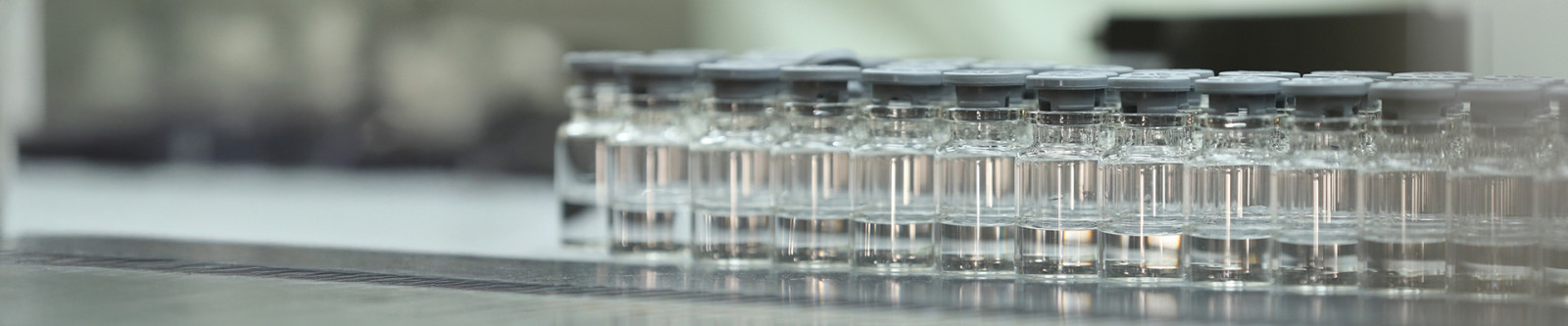
These vials feature a specifically engineered bottom design. The bottom is flat and uniform, maximizing surface contact with the shelves of the lyophilizer and supporting consistent heat transfer throughout the freeze-drying process. This design improves thermal performance and enhances process efficiency.
Glass Tubing is Particularly Suitable for Freeze-Drying
The quality of glass tubing is critical to lyophilization, as the process is sensitive to heat transfer, mechanical strength, and chemical stability. Even minor differences in vial geometry or glass composition can impact product quality, drying behavior, and batch consistency. NIPRO NSV 51 type 1 borosilicate glass offers the chemical durability, dimensional precision, and mechanical reliability needed for demanding freeze-drying applications, making it a reliable choice for modern parenteral drug formulations.
Footnotes
- External study 2025 by Purdue University (LyoHub)
Standard Product Range
| Nominal Volume (mm) | Outer Diameter - Body (mm) | Outer Diameter - Neck (mm) | Height (mm) | Wall Thickness (mm) |
|---|---|---|---|---|
| 2 | 16 | 13 | 35 | 1 |
| 4 | 16 | 13 | 45 | 1 |
| 6 | 22 | 20 | 40 | 1 |
| 8 | 22 | 20 | 45 | 1 |
| 10 | 24 | 20 | 45 | 1 |
| 15 | 24 | 20 | 60 | 1 |
| 20 | 30 | 20 | 55 | 1.2 |
10mL/R vials are commercially available. All other sizes upon request.
| Type of Blowpack | Printing | Packaging |
|---|---|---|
| None | Ceramic | Bulk |
| EU | ||
| US |


Need help?
Get in touch
For information regarding Nipro products, services, and resource material:
| Give us a call +32 15 263 500 |
E-mail us [email protected] |
| Submit a detailed inquiry: Contact per expertise |
View our manufacturing locations: Our global network |